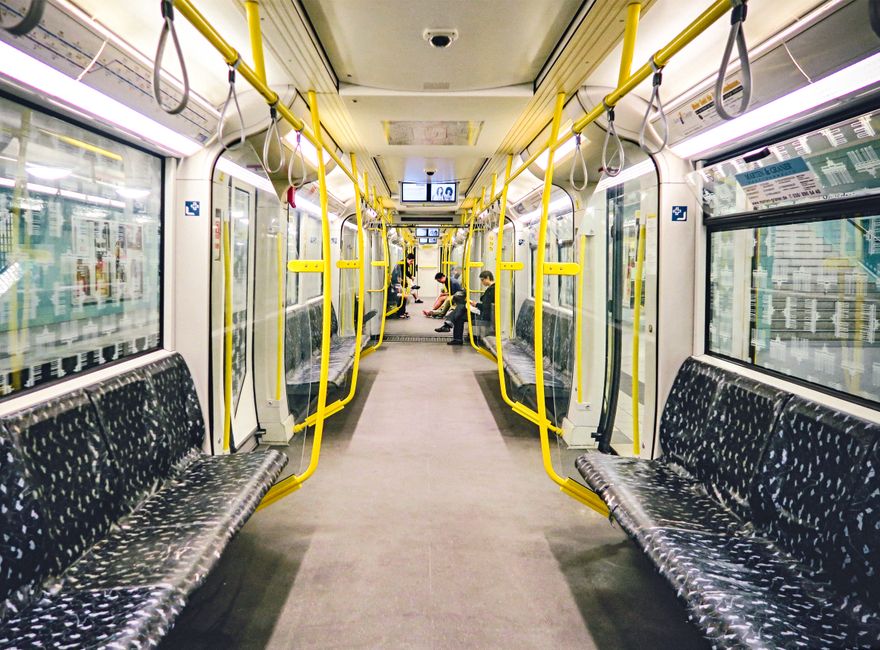
Balham station upholstery cleaning guide for commuters

If you commute through Balham station, you already know how quickly a seat, armrest, or office chair can pick up the marks of everyday life: coffee spills, rain damp, lunch crumbs, pet hair, and that slightly stale smell from being used on repeat. This Balham station upholstery cleaning guide for commuters is here to make the whole thing simpler. Whether you travel daily, rent nearby, or manage a small workplace in the area, clean upholstery is one of those details that quietly changes how a space feels. And honestly, you notice it the moment you sit down.
In the next few sections, you'll find a practical, no-nonsense explanation of how upholstery cleaning works, when it makes sense, what to avoid, and how to judge whether a method is right for your fabric. There's also a checklist, a comparison table, and a few real-world examples to help you make a sensible decision rather than a rushed one. Let's face it, nobody wants to make a fabric problem worse by "having a go" with the wrong product.
Why Balham station upholstery cleaning guide for commuters Matters
Commuters put upholstery through a strange kind of wear and tear. It's not just heavy use; it's the pattern of use. You sit for a few minutes, stand up with your bag digging into the fabric, come back later with wet coat sleeves, and repeat the routine every weekday. Over time, that creates visible dirt and hidden grime in a way that regular dusting never quite solves.
In Balham, that matters because many people split their week between home, station, office, and local hospitality spaces. A cleaner sofa at home can be the difference between actually relaxing after a journey and sitting there noticing every mark. In shared buildings, better upholstery care also helps communal areas feel fresher and more looked after. If you're responsible for a reception area, a waiting room, or a staff room, the impression is immediate.
There's also the hygiene side, which tends to get overlooked until someone spills something unpleasant. Fabrics hold onto odours, skin oils, pollen, food residue, and moisture. That doesn't mean panic. It just means upholstery benefits from more than a quick vacuum now and then.
Expert summary: if your upholstery is used daily by commuters, visitors, or staff, treat cleaning as maintenance, not rescue work. Small, regular care steps are cheaper and far easier than trying to fix deep staining later.
How Balham station upholstery cleaning guide for commuters Works
Upholstery cleaning is basically the process of removing surface dirt, embedded debris, stains, and odours from fabric-covered furniture. The exact method depends on the material. Cotton blends, wool, velvet, synthetic fibres, leather-look materials, and delicate antique fabrics all behave differently. One size does not fit all. Unfortunately, fabric doesn't care that you're in a rush.
A typical professional clean usually follows a few stages. First comes inspection. Then dry soil removal. After that, the cleaner chooses a suitable treatment such as hot water extraction, low-moisture cleaning, spot treatment, foam cleaning, or a specialist fabric-safe process. Finally, the item is dried as carefully as possible. If you want a broader view of fabric care, the main upholstery cleaning service page is a useful place to understand how different pieces are handled.
For commuters, speed and practicality matter. You might need a clean that works around work hours, dry time, and limited space. That's why many people pair upholstery care with a wider tidy-up plan, such as one-off cleaning or deep cleaning when the home or workplace needs a reset rather than a light touch.
At a technical level, the key thing is moisture control. Too much water can leave marks, shrinkage, or a long drying period. Too little cleaning action and the dirt stays put. The best results come from balancing both. Sounds obvious, but you'd be surprised how often that balance gets lost in DIY attempts.
Key Benefits and Practical Advantages
Good upholstery cleaning does more than improve appearance. In a commuter setting, the benefits are practical and immediate.
- Better first impression: clean seating makes a flat, office, or reception space feel more orderly.
- Reduced odours: everyday smells from food, rain, sweat, and general use are lifted out of fibres.
- Longer fabric life: embedded grit can wear fibres down over time, so removing it helps the material last longer.
- Improved comfort: clean fabric feels better to sit on, especially in shared or high-turnover spaces.
- Support for allergy-aware homes: while cleaning is not a medical solution, dust and debris reduction can make a room feel fresher.
- Better value for furniture: replacing a sofa or office chair is far more expensive than caring for it sensibly.
There's also a less obvious advantage: confidence. A clean chair, bench, or sofa changes how people use a room. They settle in more easily. They stop hovering. In a small commuter flat, that matters more than people admit.
If your setting includes shared entrances or waiting areas, you may also want to look at communal area cleaning for a more joined-up approach. Upholstery doesn't sit in isolation, after all. The surrounding space influences whether it stays clean or gets dirty again too quickly.
Who This Is For and When It Makes Sense
This guide is useful for a few different groups, and the situation is not always the same.
Daily commuters in Balham often need quick, realistic care for sofas, dining chairs, and occasional office furniture. If you arrive home covered in London rain more often than you'd like, your armchair will probably know about it.
Landlords and tenants may need upholstery cleaned between tenancies, especially if furniture is included in the let or if odours have built up over time. In those cases, it often sits alongside end of tenancy cleaning or move out cleaning.
Small businesses and local offices use upholstery harder than they think. Reception chairs, breakout seating, and staff-room sofas can look tired before the rest of the room does. Pairing upholstery care with office cleaning or commercial cleaning keeps the whole environment consistent.
Households with pets or children usually need more frequent stain removal. That's not a criticism, just reality. Life happens. If you've got muddy paws, biscuit crumbs, or the odd juice spill, it's normal to need pet stain odour removal or targeted stain removal.
People moving into a new place may want upholstery cleaned before unpacking, especially if the furniture came with the property or has been in storage. In that case, it can be a good companion to move in cleaning.
Step-by-Step Guidance
If you want a sensible process rather than guesswork, use this straightforward sequence.
- Identify the fabric. Check labels, care tags, and any manufacturer notes. If there's no clear label, test carefully in an unseen area first.
- Vacuum thoroughly. Get into seams, piping, and under cushions. Dry soil comes out first, not after the wet stage.
- Spot-test a cleaner. Use a tiny hidden patch so you can see whether the colour bleeds or the texture changes.
- Treat stains individually. Blot rather than rub. Rubbing often spreads the stain and roughens the pile.
- Choose the right method. Light soiling may suit low-moisture cleaning; heavier contamination may need steam-based treatment or professional extraction.
- Control moisture. Apply only as much liquid as the fabric can handle. More is not better.
- Allow full drying. Open windows if possible, use airflow, and avoid sitting on it too soon. Yes, the temptation is real.
- Finish with a post-check. Look for tide marks, lingering smells, or flattened fibres once dry.
A small but useful detail: cushions should usually be cleaned and dried separately if possible. That helps prevent trapped moisture in the seams, which is where problems like to hide. Sneaky little things, seams.
If you're considering a more intensive process, the steam carpet cleaning approach is often discussed alongside upholstery work because both rely on careful moisture management and drying discipline. They are similar in principle, but upholstery is usually more delicate and more varied.
Expert Tips for Better Results
Most poor outcomes happen because someone is trying to be fast, not because they are careless. So the best tips are the ones that keep you from rushing the wrong bit.
- Read the fabric, not just the stain. A stain solution that works on polyester may be too harsh for wool or velvet.
- Use white cloths for blotting. Coloured cloths can transfer dye, especially when damp.
- Work from the edge inward. This helps prevent stains from spreading.
- Don't overload the fabric. Several light passes are better than one soaking pass.
- Keep air moving during drying. A fan or open window is often enough if the weather is decent.
- Be careful with deodorising sprays. They can mask a smell rather than remove the source.
- Schedule around travel and work. If you commute early, don't choose a method that leaves the sofa unusable at 7 a.m. the next day.
In our experience, the jobs that go smoothly are the ones where the client has already moved side tables, cleared cushions, and made space for drying. It sounds trivial, but it saves a lot of time and a fair bit of faff.
If you're comparing broader care options, upholstery cleaning often sits neatly alongside sofa cleaning and rug cleaning, especially where the whole room has taken on a used, tired feel rather than one single problem spot.
Common Mistakes to Avoid
There are a few repeat offenders here. If you avoid these, you're already ahead.
- Using too much water: this is the classic mistake and the one most likely to create drying issues.
- Scrubbing aggressively: it can distort fibres and push the stain deeper.
- Ignoring care labels: an apparently minor error can permanently change the texture.
- Mixing products: different chemicals can react badly. Not dramatic in every case, but not worth the risk.
- Cleaning only the stain: this often leaves a visible halo or patchy finish around it.
- Putting cushions back too soon: trapped moisture can lead to odours and re-soiling.
- Assuming all cleaners are the same: they're not. Some are better for synthetics, others for delicate fabrics.
A quick real-world example: a commuter who spills takeaway coffee on a pale fabric chair may dab the centre clean but leave the outer edge untouched. The middle dries lighter, the border dries darker, and suddenly there's a ring. That's the kind of thing people notice straight away.
Truth be told, a bad DIY clean often costs more time than a proper clean would have done in the first place.
Tools, Resources and Recommendations
You don't need a garage full of kit to look after upholstery properly. A small, sensible toolkit is enough for most commuter homes and compact offices.
- Vacuum cleaner with upholstery attachment: for regular dust and crumb removal.
- Clean white microfibre cloths: for blotting and gentle wiping.
- Soft brush: useful on durable fabrics once dry soil has been removed.
- Fabric-safe spot cleaner: always test first.
- Fan or good ventilation: helps drying and reduces lingering odours.
- Protective gloves: sensible for hands, especially with cleaning solutions.
For people who want a coordinated cleaning schedule, the wider service range can help you match jobs to the right room or surface. For example, carpet cleaning pairs well with upholstery work in living rooms, while hard floor cleaning may make more sense in hallways that get station dirt tracked in daily.
If the space has curtains, that's another piece worth thinking about because fabrics tend to hold the same dust and odours. A clean sofa next to grimy curtains can feel unfinished, and a little odd. If needed, curtain cleaning helps tie the room together properly.
For service planning and budgeting, it is often smart to check pricing and quotes before you commit, especially if you're comparing a single item clean with a broader package.
Law, Compliance, Standards, or Best Practice
For upholstery cleaning, the main compliance issues are less about a single special rule and more about sensible UK best practice. That means using products safely, following manufacturer instructions where available, and avoiding damage to property or materials. If you are booking a company, it is reasonable to ask whether they have appropriate insurance and a clear health-and-safety process.
If upholstery cleaning is taking place in a business or communal setting, make sure the cleaning method does not create trip hazards, excessive wet floors, or blocked access routes. That's just good practice. In shared spaces, timing matters too. You do not want wet chairs in a waiting room at the same moment everyone is rushing for the train.
It's also sensible to ask about worker safety, product handling, and any drying precautions. A trustworthy provider should be able to explain how they reduce risk without turning the answer into a mini lecture. For more on service standards and practical safeguards, see health and safety guidance and insurance and safety information.
Where waste or packaging is involved, good providers should think about disposal carefully and avoid unnecessary waste. If sustainability matters to you, recycling and sustainability is worth a look. Clean furniture is nice; cleaner habits behind the scenes are better still.
Options, Methods, or Comparison Table
Different upholstery situations call for different methods. Here's a practical comparison to help you think it through.
| Method | Best for | Pros | Watch out for |
|---|---|---|---|
| Vacuuming and dry maintenance | Light dust, crumbs, routine care | Fast, low risk, ideal between deep cleans | Won't remove set stains or odours |
| Spot cleaning | Small spills and fresh marks | Targeted and cost-effective | Can leave rings if over-wet or poorly blended |
| Low-moisture cleaning | Delicate or quick-dry situations | Shorter drying time, often fabric-friendly | May not tackle heavy contamination alone |
| Hot water extraction / steam-style cleaning | Heavier soiling and deeper refreshes | Strong cleaning action, good for embedded dirt | Needs careful moisture control and drying |
| Professional specialist treatment | Delicate, valuable, or awkward fabrics | More tailored, lower risk of damage | Usually costs more, but often worth it |
If you are looking at a whole-home refresh rather than one chair, it may be practical to combine upholstery with domestic cleaning or, if the property is getting a full reset, house cleaning. For tenants at the end of a stay, the more complete package can be the calmer option, especially when time is tight.
Case Study or Real-World Example
A small Balham flat near the station had a light-coloured two-seat sofa that had taken a beating over a wet winter. The owner commuted daily and often came home with damp coat sleeves, a canvas tote, and the occasional coffee cup. Nothing dramatic. Just enough to slowly dull the fabric.
At first, the sofa looked "fine enough". That's usually where the trouble begins. A few weeks later, a food spill left a visible patch, and the owner realised the older grime around it was making the new stain stand out even more. The solution was not to attack the area with more product. Instead, the approach was to inspect the fabric, vacuum thoroughly, treat the spot carefully, then clean the seating area more evenly so the finish looked consistent rather than patchy.
What changed most wasn't just the appearance. The room smelled fresher, the fabric felt softer under normal use, and the owner said it made the flat feel more welcoming after a long commute home. Small thing, maybe. But those small things stack up.
That is the real lesson here: upholstery cleaning is often less about vanity and more about making everyday life feel a bit easier.
Practical Checklist
Use this before you start, whether you're cleaning it yourself or booking help.
- Check the fabric type and any care label.
- Vacuum cushions, seams, and edges thoroughly.
- Identify fresh stains and older marks separately.
- Test any product on an unseen area first.
- Choose the least aggressive method that is likely to work.
- Keep moisture under control.
- Allow full drying with good ventilation.
- Avoid sitting or placing items on the fabric too soon.
- Review the result in daylight if possible.
- Book a more thorough clean if the fabric still smells or looks patchy.
If you prefer to leave the job to a professional, it can help to compare the service with other options such as stain removal or pet stain odour removal when the issue is more specific than general wear.
Get a free quote today and see how much you can save.
Conclusion
Balham station upholstery cleaning for commuters is really about keeping life manageable. The furniture you use every day takes on the pace of your routine, and it does not need to be perfect to be worth caring for. A little regular attention, the right method, and some patience with drying can go a long way.
If you remember only one thing, make it this: match the cleaning method to the fabric, not to your urgency. That simple choice avoids a lot of frustration, and it usually gives a better finish too. Clean upholstery makes a home, office, or shared space feel calmer. More settled. More ready for the next busy day.
And on a damp Balham evening, after the train, the rain, and the long walk home, that calm counts for quite a lot.
Frequently Asked Questions
How often should commuters clean upholstery?
For lightly used furniture, a proper clean every 6 to 12 months is often enough, with regular vacuuming in between. If the upholstery gets daily use, stains, pet hair, or food crumbs, you may need attention more often. The key is to act before dirt has time to settle deep into the fibres.
Can I clean upholstery myself at home?
Yes, for small spots and routine care, you often can. The safest approach is vacuum first, test products in a hidden area, and use as little moisture as possible. If the fabric is delicate, valuable, or badly stained, professional cleaning is usually the safer route.
What is the safest way to remove a fresh coffee stain?
Blot it gently with a clean white cloth, working from the outside inward. Avoid rubbing, as that spreads the stain and can push it deeper. Use a fabric-safe cleaner only if the care label allows it, and dry the area properly afterwards.
Does steam cleaning damage upholstery?
Not automatically, but it can if the fabric is not suitable or if too much moisture is used. Steam-style methods need careful control, especially on delicate materials. That's why checking the fabric type first matters so much.
Why does my sofa smell after cleaning?
Usually, it means moisture is still trapped in the fabric or the stain source was not fully removed. Sometimes a quick surface clean hides the smell for a day or two, then it comes back. Good airflow and full drying help, but persistent odours may need deeper treatment.
What fabrics need extra care?
Velvet, wool blends, linen-heavy fabrics, antique upholstery, and some delicate synthetic mixes can all need special handling. If you are not sure, assume the fabric is sensitive until you have checked the label or tested it carefully.
Is upholstery cleaning worth it for rental properties?
Usually, yes. Clean seating can improve the presentation of a rental property and help it feel cared for. It is especially useful when furniture is included in the tenancy or when odours and marks have built up over time.
How long does upholstery take to dry?
Drying time depends on the fabric, method, ventilation, and the amount of moisture used. Light treatments can dry fairly quickly, while deeper cleaning may take longer. In a commuter household, planning this around work hours is sensible so the furniture is usable again when you need it.
Can upholstery cleaning remove pet smells?
Often it can reduce or remove them, especially if the odour is from surface contamination. Strong or old pet smells may need targeted treatment. The earlier you deal with it, the better the result tends to be.
Should I clean the whole sofa or just the stain?
In many cases, cleaning only the stain can leave a ring or patchy finish. A broader clean around the affected area often blends the result better. If the whole piece is generally tired, a full clean is usually the neater option.
What should I ask before booking a cleaner?
Ask what method they use, whether they test fabrics first, how they handle drying, and whether they are insured. It's also sensible to ask about pricing upfront so you know whether the job is a spot clean, a full upholstery clean, or part of a larger service.
Can upholstery cleaning be combined with other home services?
Yes, and that is often the most efficient approach. Many people pair it with carpet, curtain, or general cleaning so the room feels consistently fresh rather than half-finished. If you are moving home, combining it with move-in or move-out work can save a lot of time.