Carpet cleaning guide Balham High Road SW12
If you live, work, or manage a property around Balham High Road SW12, carpets take a beating in ways you only really notice when the traffic marks start to show. Mud from a wet London pavement, coffee by the sofa, pet odours after a long week, the odd bit of paint dust after a DIY job, it all adds up. This carpet cleaning guide Balham High Road SW12 is designed to help you understand what works, what to avoid, and how to get a cleaner finish without wasting time or money.
Truth be told, most carpet problems are easier to handle when you deal with them early. Leave them too long and they settle in, flatten the pile, and make the whole room feel tired. That does not mean every carpet needs a deep clean every month. It means knowing the difference between light maintenance, stain treatment, and a proper professional clean. That is what this guide is for.
We will walk through the practical side of carpet care in Balham, from cleaning methods and real-world benefits to common mistakes, standards, and a simple step-by-step approach you can actually use. If you want a broader view of the service itself, you may also find the main carpet cleaning service page helpful later on.
Table of Contents
- Why Carpet cleaning guide Balham High Road SW12 Matters
- How Carpet cleaning guide Balham High Road SW12 Works
- Key Benefits and Practical Advantages
- Who This Is For and When It Makes Sense
- Step-by-Step Guidance
- Expert Tips for Better Results
- Common Mistakes to Avoid
- Tools, Resources and Recommendations
- Law, Compliance, Standards, or Best Practice
- Options, Methods, or Comparison Table
- Case Study or Real-World Example
- Practical Checklist
- Conclusion
- Frequently Asked Questions
Why Carpet cleaning guide Balham High Road SW12 Matters
Carpets do more than soften a room. They trap dust, catch grit, and absorb everyday life. In a busy part of South London like Balham High Road, that matters because footfall is constant. People move in and out of flats, shops, offices, studios, and shared stairwells. Shoes carry in road dust, fine debris, and moisture, and all of that can work down into the fibres.
A lot of people assume a carpet only needs attention when it looks obviously dirty. Not quite. By the time marks are visible, the underlayer may already be holding odours and compacted soil. You can often smell it before you see it. That faint stale note after heating has been on for an hour? Classic sign that the carpet needs proper attention.
For households, regular cleaning helps keep the room feeling fresh and easier to maintain. For landlords and tenants, it can make a big difference at move-out time. For businesses, it supports a better first impression and can reduce the worn look that makes a reception or office feel neglected. If you manage mixed-use space or shared entryways, the case is even stronger. A clean carpet quietly changes how a place feels.
There is also a practical side to protection. Grit acts like sandpaper. It wears fibres down. Spills left untreated can become permanent-looking stains. And pet accidents, if they soak through the backing, can linger in ways a surface clean will not fix. That is why a carpet care plan is not just about appearance. It is about preserving the material, the room, and a bit of peace of mind.
If your property needs a deeper reset after renovation dust or building work, it can be sensible to combine carpet care with after builders cleaning. That is especially useful when fine dust has spread beyond the carpet and into skirting boards, corners, and upholstery.
How Carpet cleaning guide Balham High Road SW12 Works
At a basic level, carpet cleaning is about lifting soil from the fibres without over-wetting, distorting, or damaging the backing. Sounds simple. In practice, the method matters a lot. Different carpet types, stains, and room conditions need different treatment.
Most professional cleaning jobs follow a fairly familiar pattern: inspect, identify the fibre type, test a small hidden area, treat spots, clean the whole carpet, then groom and dry it properly. That inspection stage is not a formality. Wool, synthetic blends, loop pile, and older fitted carpets can all react differently to heat, moisture, and chemistry.
One of the most common approaches is hot water extraction, often called steam cleaning. The name can be a bit misleading because the process relies on hot water and cleaning solution, then strong extraction to pull moisture and loosened dirt back out. Done well, it reaches deeper into the pile than surface cleaning. Done badly, it leaves carpets damp for too long, and nobody wants that musty after-smell.
Dry compound and low-moisture methods also have their place. They can be useful where drying time needs to be short or where the carpet is sensitive to excess water. Spot treatment is another key part of the process, especially for coffee, wine, food spills, or pet marks. The difference between a minor stain and a permanent blemish often comes down to how quickly and how carefully the treatment starts.
For people comparing methods, the steam carpet cleaning page is a useful reference point because it explains the more intensive deep-clean approach many homes and businesses rely on.
Key Benefits and Practical Advantages
The first benefit is obvious: carpets look better. But the real value goes beyond a quick visual lift. A professionally cleaned carpet often feels softer underfoot, smells fresher, and makes the whole room seem lighter. That can be surprisingly noticeable, especially in rooms with limited natural light or heavy daily use.
There is also a hygiene benefit. Carpets can hold allergens, fine dust, pet hair, and everyday debris even when they look tidy. Cleaning removes a lot of the material that regular vacuuming cannot reach. It is not magic, and it is not a substitute for ventilation or good housekeeping, but it does improve the environment.
Another advantage is stain control. Some marks are straightforward; others are annoyingly stubborn. A targeted approach gives you the best chance of lifting the stain without damaging the pile. That is especially important on lighter carpets or natural fibres, where aggressive scrubbing can leave a bigger visual issue than the original spill. A slightly frustrating truth, but there we are.
Property value perception matters too. If you are preparing for tenants, guests, or customers, clean carpets help the space feel cared for. In a rental, that can help with handover standards. In an office or shop, it contributes to a more professional atmosphere. And at home, it simply makes daily life feel better. Sometimes that is enough.
Here is a quick practical summary:
Expert summary: If your carpet is lightly marked, vacuuming and spot treatment may be enough. If the pile looks flattened, the room smells stale, or stains keep returning, a deeper clean is usually the wiser move.
If the carpet is just one part of a bigger clean-up, you might also look at deep cleaning for a fuller reset of the property.
Who This Is For and When It Makes Sense
This guide is useful for a few different people. Homeowners and tenants want to keep their living spaces comfortable and presentable. Landlords and letting agents often need carpets refreshed between occupants. Small businesses want a tidy, professional look without closing the doors for too long. And if you are dealing with a specific issue like pet odour or a wine spill, timing matters even more.
It makes sense to book or plan a proper clean when:
- the carpet has visible traffic lanes or dull patches
- there is a smell you cannot quite explain
- a spill has dried in and become sticky or discoloured
- pets have had accidents on the floor
- you are moving in or moving out
- there has been building dust, sanding, or decorating work
- vacuuming no longer makes the carpet feel fresh
There are also life-stage moments when a carpet clean is just sensible housekeeping. Before a baby arrives. Before guests stay for a few days. Before photos for a rental listing. Before winter, when shoes bring in more damp and grit. Little moments like that often turn into "I really should get this sorted" moments. No shame in that.
If your situation is connected to a tenancy change, a service such as end of tenancy cleaning can be a practical fit because carpets are often one of the final inspection points. For private homes, domestic cleaning may be a better ongoing solution where carpet care is part of a wider routine.
Step-by-Step Guidance
A sensible carpet clean does not start with the machine. It starts with preparation. If you rush that bit, you can make the finish worse than it needs to be. Here is the approach that tends to work best.
- Identify the carpet type. Wool, nylon, polypropylene, and blended fibres all need slightly different handling. If you are unsure, treat it cautiously.
- Vacuum thoroughly. Go slowly, especially on high-traffic lanes. Quick passes miss grit sitting deeper in the pile.
- Check for stains and spots. Work out what you are dealing with if you can. Food, grease, pet mess, ink, and mud all behave differently.
- Test a hidden area. A small patch under furniture or near a skirting board is ideal. Better to spot a colour change there than across the middle of the room.
- Treat problem areas first. Pre-treatment helps loosen grime before the main clean. Be careful not to oversaturate.
- Clean using the chosen method. Use the right level of moisture and extraction. Slow, even passes usually give a better result than force.
- Allow proper drying. Open windows where possible, use airflow, and avoid walking on the carpet too soon.
- Groom and inspect. A final brush or pile lift helps the fibres stand evenly and dry more uniformly.
The drying stage deserves more respect than it gets. A carpet can look clean but still be holding too much moisture underneath. That can delay use of the room and, in some cases, encourage odour. If you are ever torn between "good enough" and "let's give it another hour," choose the extra hour. Your future self will be glad.
Expert Tips for Better Results
A few small habits make a big difference. First, vacuum more often than you think you need to. Most carpets are damaged more by embedded grit than by the occasional spill. Second, blot stains instead of scrubbing them. Scrubbing pushes the mess deeper and can fuzz the pile. Third, deal with fresh spills quickly. The first ten minutes are often the most valuable.
Use the right product for the right problem. A general cleaner may work on light soil, but stubborn marks often need a targeted treatment. That is where proper stain removal knowledge helps. Not every mark is meant to come out in one pass, and a patient, layered approach is usually safer than going in hard.
One overlooked tip: move small furniture before cleaning, if you can do so safely. It prevents those awkward "clean around the chair legs" patches that make the room look almost clean. Almost. Also, do not forget the edges. Dirt collects where the carpet meets the skirting board, and those margins can make the whole room feel dusty even when the centre looks fine.
For homes with pets, a targeted service such as pet stain odour removal can be worth considering because smell and staining often go together. For rentals or guest spaces with rugs and soft furnishings, it may also make sense to combine carpet care with rug cleaning or sofa cleaning so the room is treated as one connected environment.
And one more practical point: if your carpet is fragile, antique, or heavily patterned, be conservative. It is better to leave a faint mark than to damage the fibre or the colour. That sounds cautious because it is. A cautious clean is usually the right clean.
Common Mistakes to Avoid
The biggest mistake is over-wetting. It feels like more water must mean a better clean, but that is not how it works. Too much moisture can slow drying, leave residues behind, and create a damp feel underfoot. In some cases it can also pull soil from the backing back up into the surface.
Another common error is using the wrong cleaner on the wrong fibre. Wool, for example, can be much less forgiving than synthetic carpet. Harsh chemicals may damage the finish or cause colour loss. If you do not know what the carpet is made from, take the safer route.
People also underestimate the power of vacuuming before treatment. If grit stays in the pile, you are basically rubbing dirt around with cleaning solution. Not ideal. Likewise, too much scrubbing can distort the texture and make a patch look worn even after the stain has gone.
Here are a few more avoidable mistakes:
- using too much detergent and leaving residue behind
- ignoring a spill for days or weeks
- walking on the carpet before it is properly dry
- treating every stain the same way
- forgetting to test an invisible patch first
- assuming a shop-bought spray will solve every problem
That last one is a classic, to be fair. A convenience spray can help with a small fresh mark, but it is not a universal fix. Sometimes it is the beginning of a bigger mess.
Tools, Resources and Recommendations
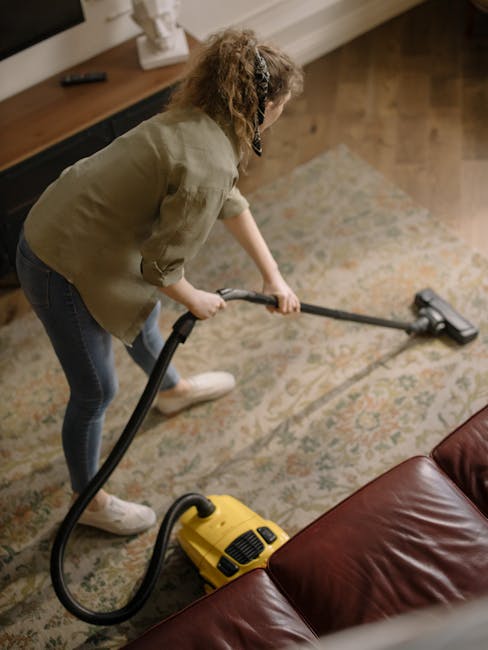
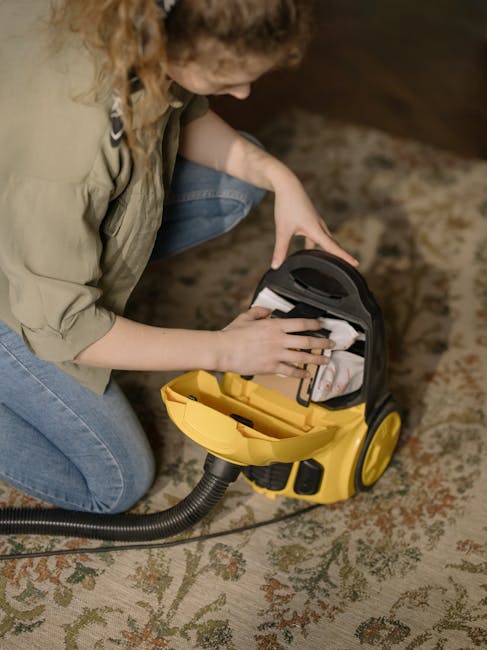
If you are handling light carpet maintenance yourself, you do not need a huge toolkit. A decent vacuum, clean white cloths, a soft brush, and a suitable spot cleaner cover a lot of ground. A fan can help with drying. A bowl of clean water is also handy for rinsing treated areas lightly after blotting, as long as you do not soak the carpet.
For more demanding jobs, professional-grade extraction equipment makes a real difference. It is not just about suction power. The quality of water delivery, heat control, and recovery all matter. Better kit usually means cleaner extraction and less moisture left behind. That said, good technique still beats expensive kit in the wrong hands. Equipment helps; judgement does the real work.
Useful supporting services can also save time when the whole property needs attention. For example, upholstery cleaning helps if your chairs and dining set have picked up the same wear as the carpet. If the space is an office or shared building, office cleaning or communal area cleaning may fit better alongside the carpet work.
When you are comparing services, useful questions include:
- What cleaning method will be used on my carpet type?
- How long will drying likely take?
- Are spot treatments included?
- Can stubborn odours or pet issues be treated separately?
- Will the cleaner move light furniture if needed?
- What aftercare should I follow once the clean is complete?
If you like to understand service details before booking, it helps to review pricing and quotes so you know how estimates are handled, and insurance and safety for peace of mind around property protection and careful working practices.
Law, Compliance, Standards, or Best Practice
Carpet cleaning itself is not usually a heavily regulated consumer activity in the way some trades are, but best practice still matters. In the UK, a responsible cleaner should work safely, use suitable products, and avoid creating risks for occupants, pets, or the property. If a carpet is being cleaned in a rental, office, or shared building, good communication and clear expectations matter just as much as the clean itself.
For property managers and business owners, it is sensible to think about health and safety in a practical way. That means managing slip risk on wet floors, ventilating rooms during and after treatment, and keeping cleaning chemicals stored and used properly. If you want a clear sense of working standards, the site's health and safety policy is the kind of document that signals a more careful approach.
It is also worth considering environmental best practice. Not every job needs a heavy chemical load. In many cases, controlled application and efficient extraction are more effective than simply adding more product. If sustainability matters to you, the recycling and sustainability page is relevant because it reflects a broader responsible-service mindset, not just carpet care in isolation.
And if you are choosing a provider, basic business standards matter too: clear terms, transparent payment handling, and a straightforward complaints route. Those things sound boring until you need them. Then they matter a lot.
Options, Methods, or Comparison Table
There is no single best carpet cleaning method for every room. The right choice depends on fibre type, soil level, drying time, and how sensitive the carpet is. Here is a simple comparison to help you think it through.
| Method | Best for | Strengths | Watch-outs |
|---|---|---|---|
| Hot water extraction / steam cleaning | General deep cleaning, heavy soil, visible dullness | Strong soil removal, deep refresh, good for most everyday carpets | Needs drying time; not ideal for very delicate materials if handled badly |
| Low-moisture cleaning | Busy spaces, quicker turnaround | Faster drying, useful for routine maintenance | May be less effective on deeply embedded grime or certain stains |
| Spot treatment only | Small fresh spills | Quick, targeted, inexpensive | Not a substitute for whole-room cleaning if the carpet is generally dirty |
| Full professional deep clean | Move-outs, pet issues, tired carpet, mixed staining | Best overall reset, more thorough result | Higher cost and more disruption than light maintenance |
If you are mainly dealing with pet-related smells or repeated marks in the same place, spot treatment alone is rarely enough. On the other hand, if the carpet is otherwise in decent shape and you only have one fresh spill, a targeted approach may be perfectly sensible. The trick is not overdoing it.
For a fuller property refresh, some people pair carpet care with house cleaning or move out cleaning. That can be especially useful when the aim is a complete handover rather than just a single-room tidy-up.
Case Study or Real-World Example
Here is a realistic example from the kind of job that comes up all the time around Balham. A family in a flat near a busy stretch of road had a light-coloured living room carpet that looked dull at the main walking path and had a faint odour near the sofa. Nothing dramatic, just enough to make the room feel a bit off.
Vacuuming helped a little, but the carpet still looked flat. The likely causes were straightforward: outdoor grit from shoes, everyday food crumbs, and a small pet accident that had been cleaned on the surface only. The key decision was to avoid a one-size-fits-all treatment. The marks near the sofa needed targeted pre-treatment, while the traffic lane needed a deeper extraction clean.
After preparation, the carpet was cleaned section by section, with extra care taken around the affected area. The room was left to dry with windows open and good airflow. By the next day, the pile had lifted noticeably and the smell had gone. Not a miracle, just careful work done properly. But that is often what makes the difference.
The family then changed a couple of habits: shoes off in the hallway, quicker spill blotting, and a more regular vacuuming pattern. Small change, big pay-off. That is usually how it goes, honestly.
Practical Checklist
Use this checklist before and after a carpet clean to keep things simple.
- Vacuum the area thoroughly before any wet treatment
- Identify the carpet fibre if possible
- Test any cleaner in a hidden spot first
- Blot spills, do not scrub them
- Use the mildest effective method for the job
- Keep rooms ventilated during drying
- Move light furniture only if it can be done safely
- Treat odours and stains as separate problems when needed
- Inspect edges, corners, and traffic lanes carefully
- Wait until the carpet is fully dry before heavy use
- Follow any aftercare advice you are given
If you are booking a one-off refresh, one-off cleaning can be a convenient match. If the building has more persistent wear across common areas, regular cleaning may be the steadier long-term option.
Conclusion
The best carpet cleaning results usually come from a simple formula: know the carpet, choose the right method, treat stains carefully, and do not rush the drying. Around Balham High Road SW12, where daily footfall and city grit are part of life, that approach helps carpets stay fresher for longer and avoids the cycle of quick fixes that never quite solve the problem.
Whether you are looking after a family home, a rental, or a busy commercial space, a thoughtful cleaning plan is usually more effective than an aggressive one. That is the heart of this guide. Clean carpets are not just about looks. They make rooms feel calmer, brighter, and a little more cared for. And that matters, especially when life is already busy enough.
Get a free quote today and see how much you can save.
If you want to explore more about the team and how they work, the about us page is a sensible next stop. Simple, clear, no fuss.
Frequently Asked Questions
How often should carpets be cleaned in Balham High Road SW12?
It depends on traffic, pets, children, and whether the space is residential or commercial. Busy homes and shared entrances usually need more frequent attention than a low-use spare room. A good rule is to vacuum regularly and book a deeper clean when the carpet starts looking dull, smelling stale, or holding marks that vacuuming no longer shifts.
Is steam cleaning safe for all carpets?
No, not automatically. Steam or hot water extraction works well on many modern carpets, but some delicate fibres and older carpets need a more cautious method. Fibre type, backing, and colour fastness all matter, so testing a hidden area first is wise.
Can carpet cleaning remove pet odours completely?
Sometimes, yes, but it depends how far the accident has spread. If urine or moisture has reached the backing or underlay, a surface clean may not solve the smell. In those cases, a targeted treatment designed for pet issues is more effective.
What is the difference between carpet cleaning and stain removal?
Carpet cleaning treats the whole carpet, while stain removal focuses on specific marks. A carpet can look fairly clean overall but still have one stubborn stain, and a stain can be removed even if the carpet still needs a full clean.
How long does a carpet take to dry after cleaning?
Drying time varies with the method used, ventilation, pile thickness, and weather. Faster-drying methods exist, but a deep extraction clean usually needs more time. Good airflow helps a lot. On a wet London day, it may take longer than you would like, naturally.
Should I vacuum before or after professional carpet cleaning?
Both, really. Vacuum before cleaning to remove loose grit and debris, which helps the treatment work properly. Then vacuum again once the carpet is fully dry if needed, to lift the pile and remove any tiny residues.
Is it worth cleaning a carpet before moving out?
Usually yes, especially if the carpet is part of the property condition check. A cleaner carpet can support a better presentation at handover and reduce avoidable disputes about wear and cleanliness. It is one of those jobs that pays for itself in peace of mind.
Can I use supermarket carpet cleaner sprays instead?
For small fresh spots, sometimes. For deeper soil, recurring marks, or odours, they are rarely enough. In fact, some sprays leave residue that attracts dirt later. Small job, small tool; big job, bigger plan.
Do carpets need different cleaning methods depending on fibre type?
Yes. Wool, synthetic fibres, and blended carpets do not all react the same way to heat and moisture. The wrong method can flatten the pile, affect colour, or leave the carpet damp for too long. Matching method to material is a basic standard, not a luxury.
What should I ask before booking carpet cleaning?
Ask about the cleaning method, drying time, stain treatment, furniture handling, and aftercare. It is also sensible to ask whether the cleaner carries appropriate insurance and how they handle complaints or issues if something does not go to plan.
Can carpet cleaning help with allergies?
It can help reduce dust, hair, and other trapped debris, which may make the room feel fresher. But it is not a medical treatment and not a cure for allergies. Regular vacuuming, ventilation, and general cleaning habits still matter a great deal.
What if my carpet has builders' dust or renovation residue?
Then a deeper approach is often needed because fine dust settles into fibres and corners. In that case, pairing carpet care with a broader post-renovation clean is often more effective than tackling the carpet alone.
How do I know whether I need a full clean or just spot treatment?
If there is one fresh mark on an otherwise decent carpet, spot treatment may be enough. If the carpet looks flat, smells tired, or shows repeated traffic lanes, a full clean is usually the better choice. The room will usually tell you, even if a bit quietly.